

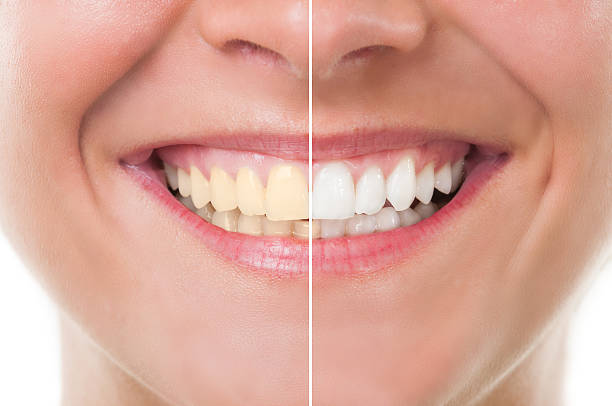

Common Causes of Surface Staining
Coffee and Tea
Dark beverages such as coffee and tea are among the most common contributors to tooth staining. Regular consumption can lead to gradual surface discoloration as pigments adhere to enamel.
Red Wine and Dark-Colored Drinks
Red wine and other deeply pigmented drinks can leave surface stains on teeth over time, especially when consumed frequently.
Smoking and Vaping
Smoking and vaping are well-known causes of surface staining. Residue from tobacco products can accumulate on enamel and contribute to visible discoloration.
Dark-Colored Foods
Foods with strong pigments, such as berries, sauces, and spices, can contribute to surface staining when consumed regularly.
Natural Enamel Changes Over Time
As teeth age, enamel can naturally become thinner, allowing the underlying dentin to show through more prominently. This can make teeth appear darker or less bright, even in the absence of heavy surface staining.
Professional teeth whitening focuses on improving the appearance of surface staining but does not change the natural structure of the teeth.
External Staining vs. Internal Discoloration
Surface (external) staining occurs on the outer layer of the teeth and is often influenced by lifestyle factors. Internal discoloration, which occurs beneath the enamel, may have different causes and is not always addressed through whitening alone.
Understanding this distinction helps explain why individual whitening results can vary.
How Professional Teeth Whitening Addresses Surface Stains
Professional in-clinic teeth whitening is designed to target surface staining during a scheduled appointment. The process is performed in a controlled clinical setting and follows standardized procedures.
Because whitening focuses on surface discoloration, results depend on factors such as starting tooth shade, the type of staining present, and individual enamel characteristics.
Learn More About Professional Teeth Whitening Services
If you’re interested in addressing surface staining and learning what to expect from an appointment, you can learn more about professional teeth whitening services offered by Advanced White.
 Professional Teeth Whitening Services
This page explains how in-clinic whitening works, what the appointment process involves, and where services are available.
Final Thoughts
Teeth staining and discoloration are common and often develop gradually over time. Understanding the causes of surface staining can help you decide whether professional teeth whitening aligns with your goals.
Individual results vary depending on starting tooth shade and surface staining.
Comments are closed.